Social Development
We want everyone to feel part of this society.
We strive to improve the quality of life for people and communities experiencing social inequality and a lack of opportunities for their comprehensive development, through the implementation of projects that promote the empowerment of civil society.
Our initiatives focus on rural areas, with an additional commitment to reducing environmental impact by promoting more efficient use of resources and implementing renewable energy solutions.
Where do we work?
Our work extends throughout southern Chile, but we concentrate most of our projects between the Maule and La Araucanía regions.
In this diverse and historically rich territory, we work hand in hand with resilient communities and Indigenous peoples, including a significant Mapuche presence, to drive initiatives that transform realities and help build a fairer, more dignified, and opportunity-filled future for all.
Why Araucanía?
Araucanía has one of the highest multidimensional poverty rates in Chile and is the region with the largest geographic presence of Indigenous Peoples, mainly Mapuche. These characteristics make it a key area to promote inclusive projects with a cultural focus.
South Social Development
As South Social Development, we promote sustainable communities through projects that encourage active participation and community empowerment.
We have two strong strategies: with Mano Verde, we reaffirm that environmental awareness and education are key; we plant skills, cultivate the future, and meaningful knowledge. With Water for Chile, we are able to provide water to rural communities, forming the foundation for sustainable development.
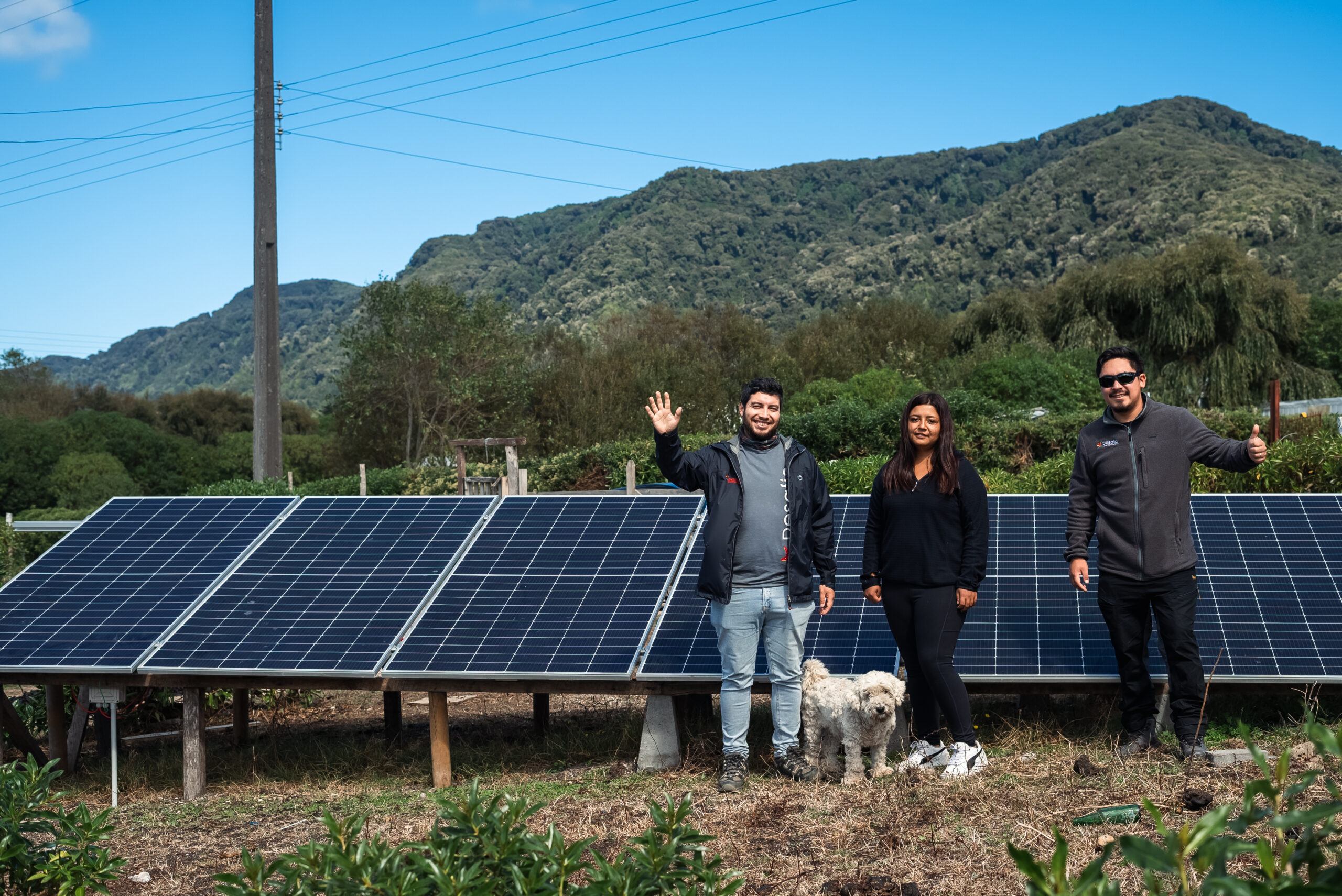
Isla Mocha: Energy project
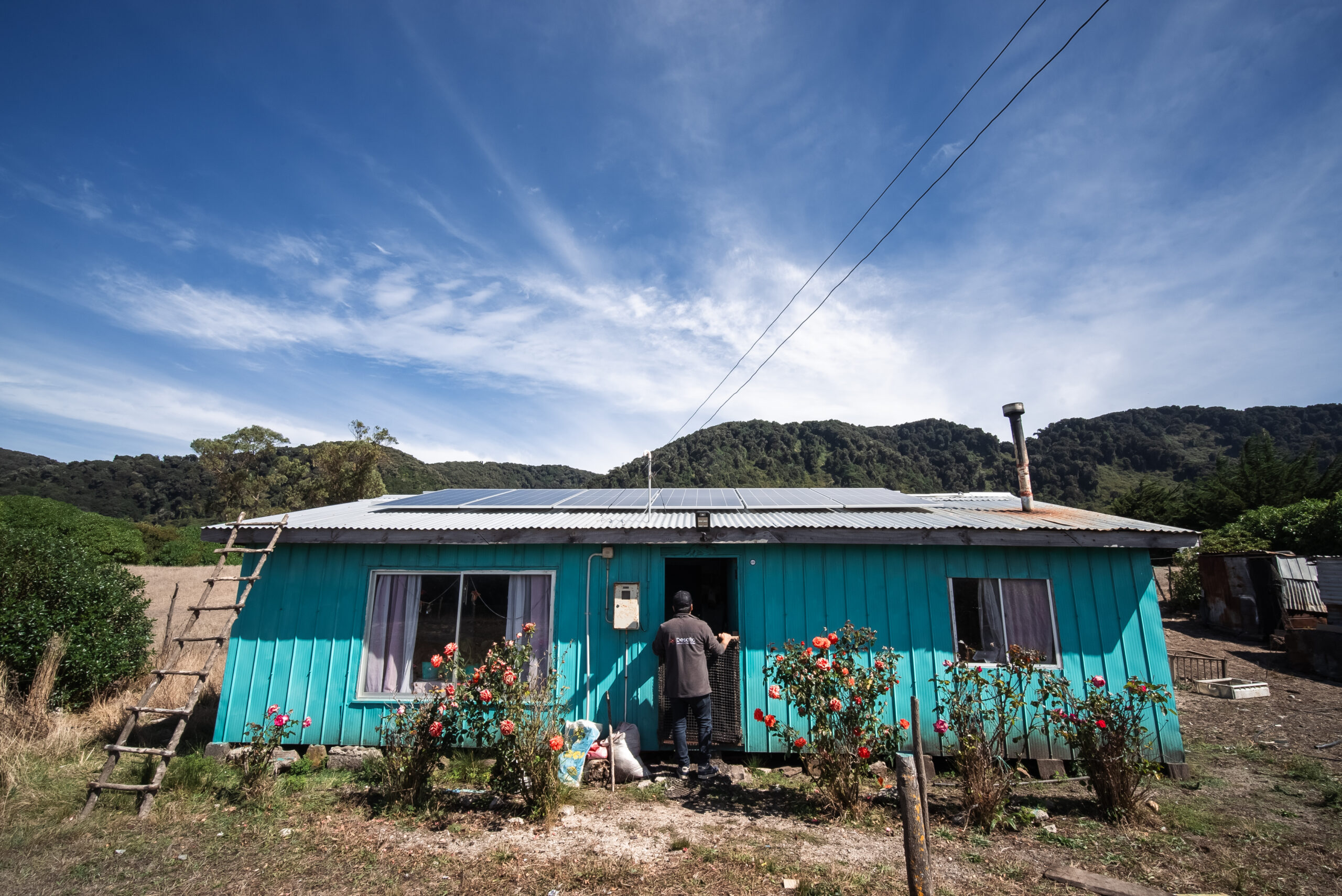
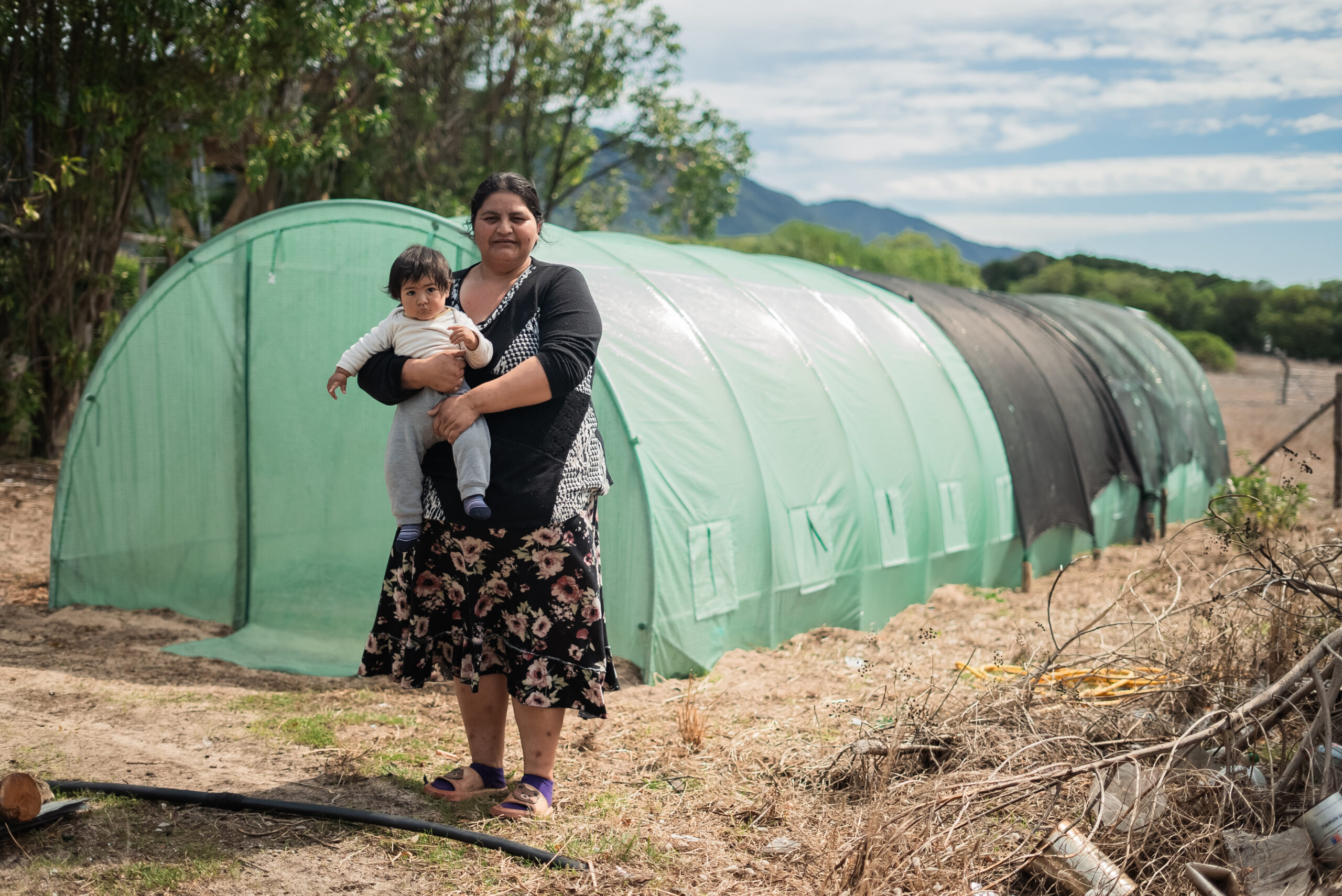
Isla Mocha, located in the Biobío region of Chile, is a territory 34 km from the mainland that faces significant connectivity challenges and limited access to basic services. Every year, continuous weeks without electricity due to power outages are recorded, restricting access to food, recreation, and comprehensive healthcare. The island territory has a high prevalence of chronic illness, making the refrigeration of medications a pressing concern.
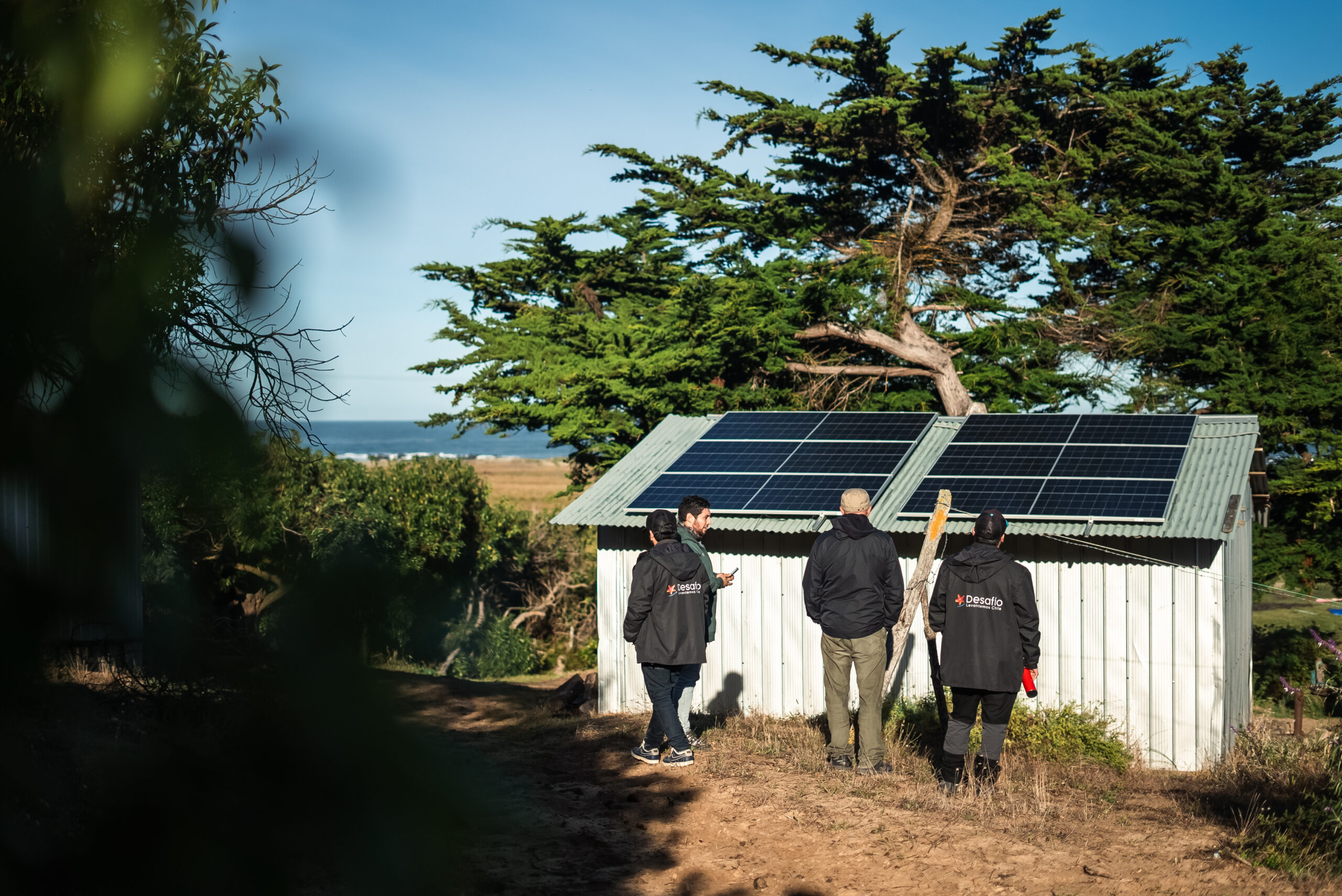
In response, in 2024, 20 off-grid 3,000W photovoltaic systems were installed, with a storage capacity of 4,800Wh in lithium batteries. This allowed 20 families not only to have electricity in their homes, but to carry out all household tasks — from using home appliances and keeping medications refrigerated, to regularly doing laundry and having a family space for leisure and overall well-being. In addition, neighbors who need to charge mobile devices during power outages now turn to one of the 20 beneficiary households to solve the problem collectively. This is a highly replicable project, with the potential to reach more homes or to be deployed in other rural or low-connectivity territories.
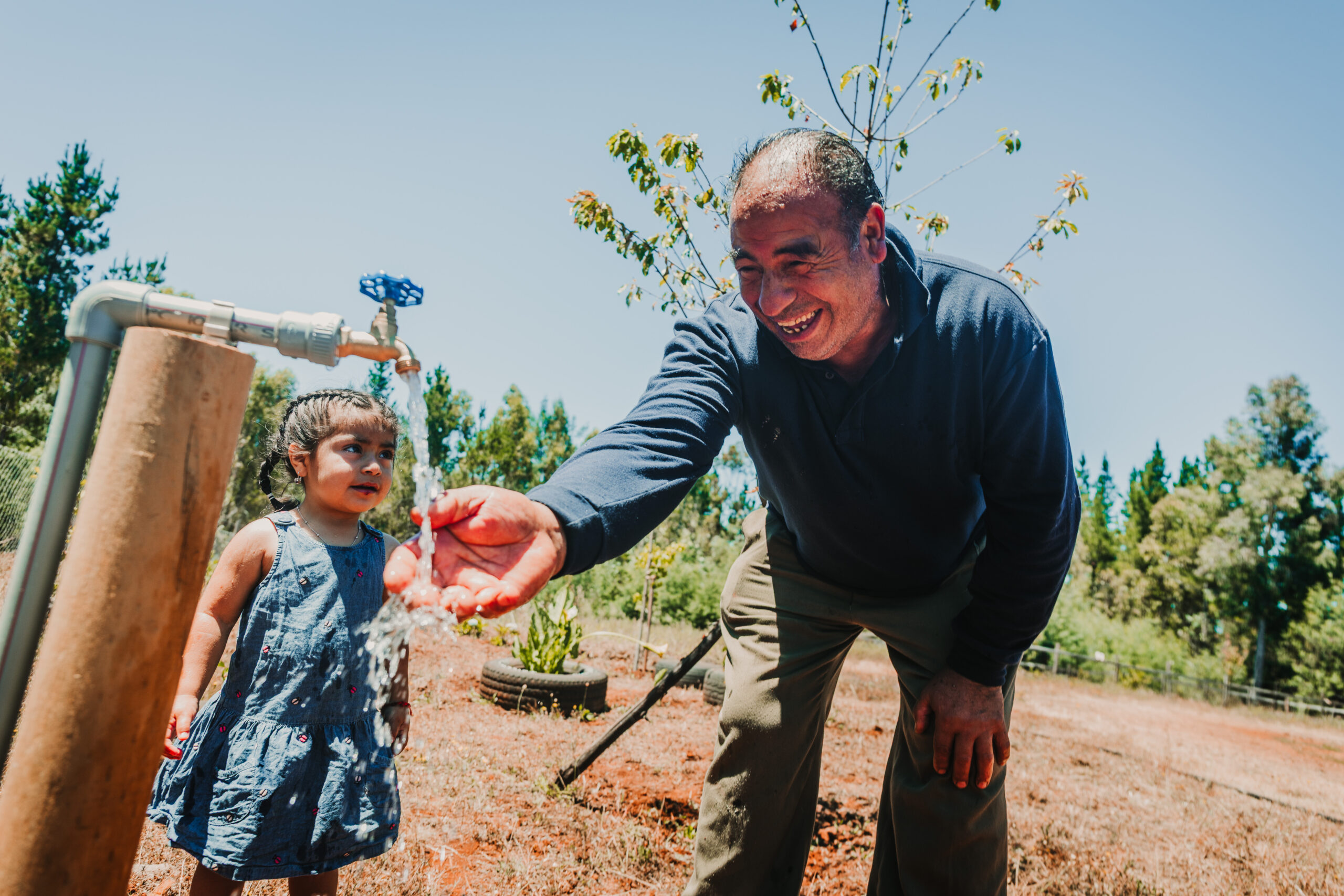
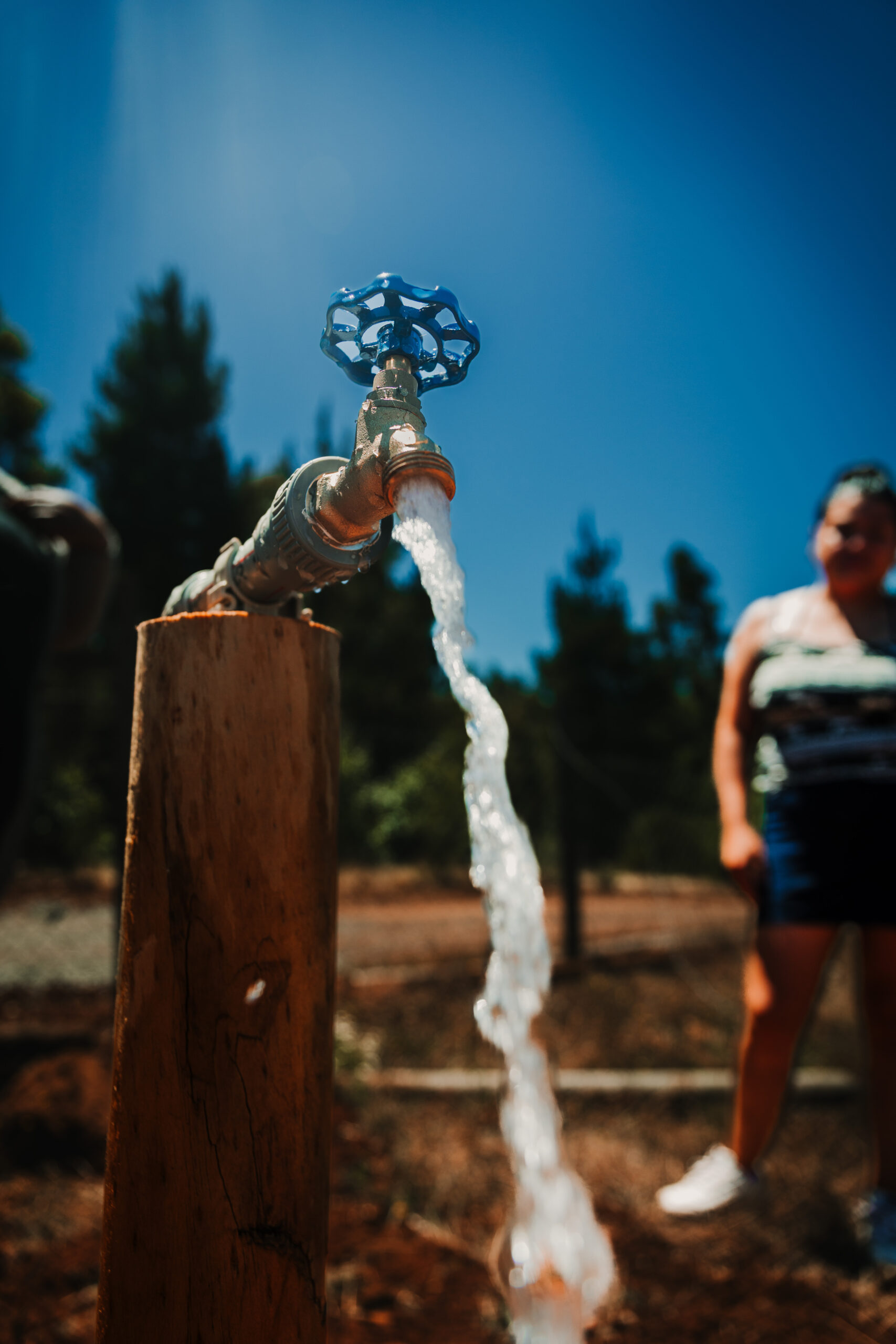
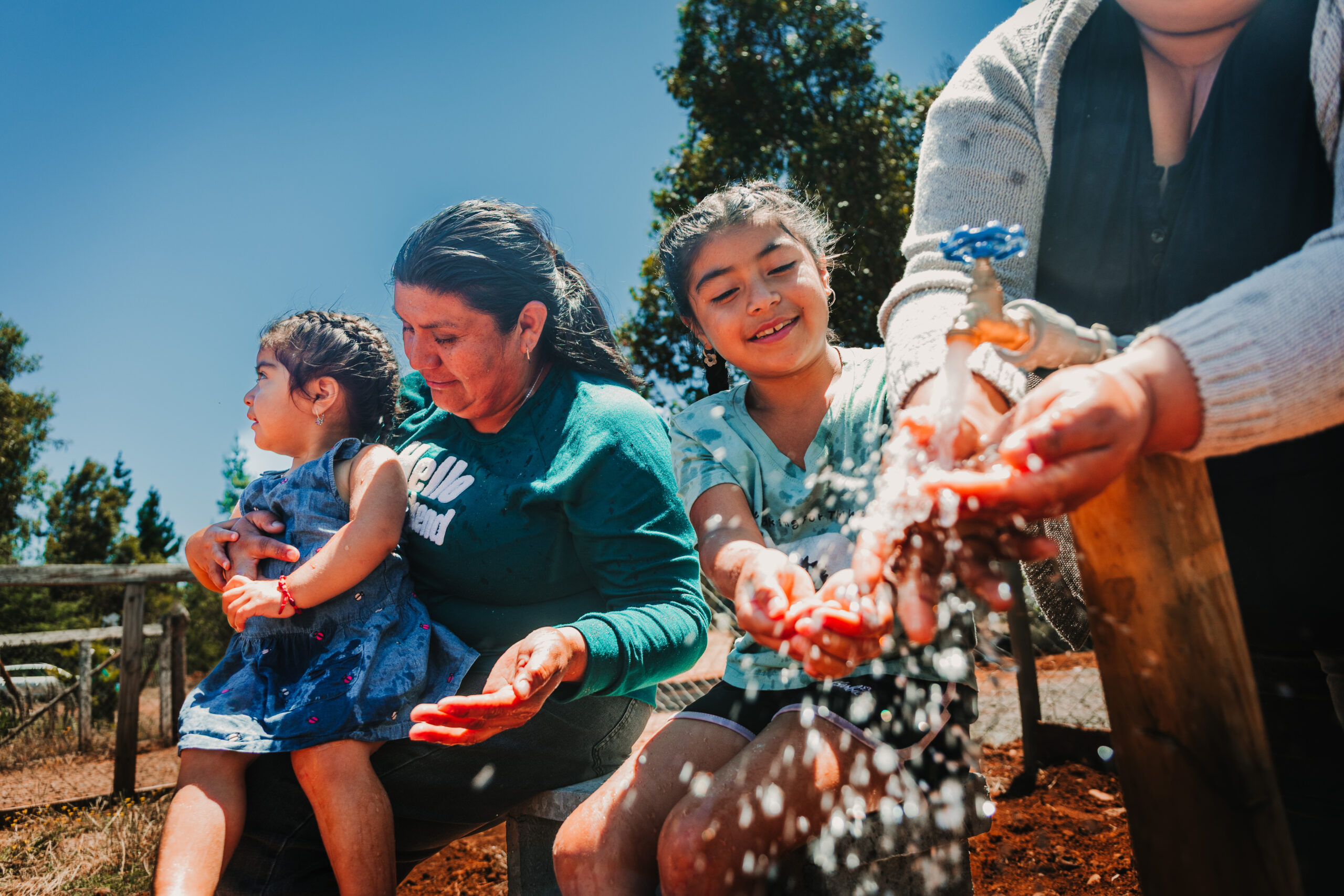
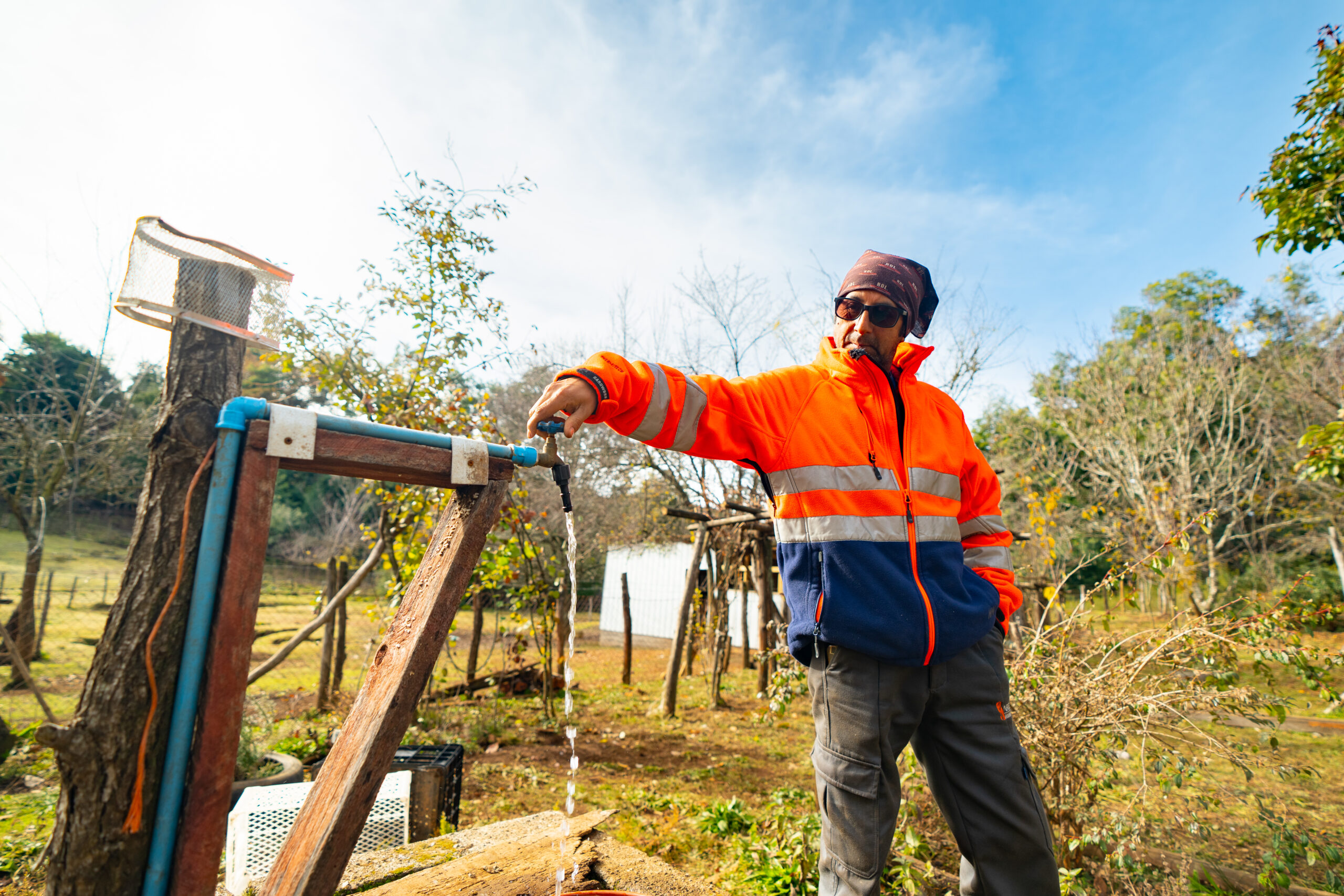
Agua para Chile: Water project
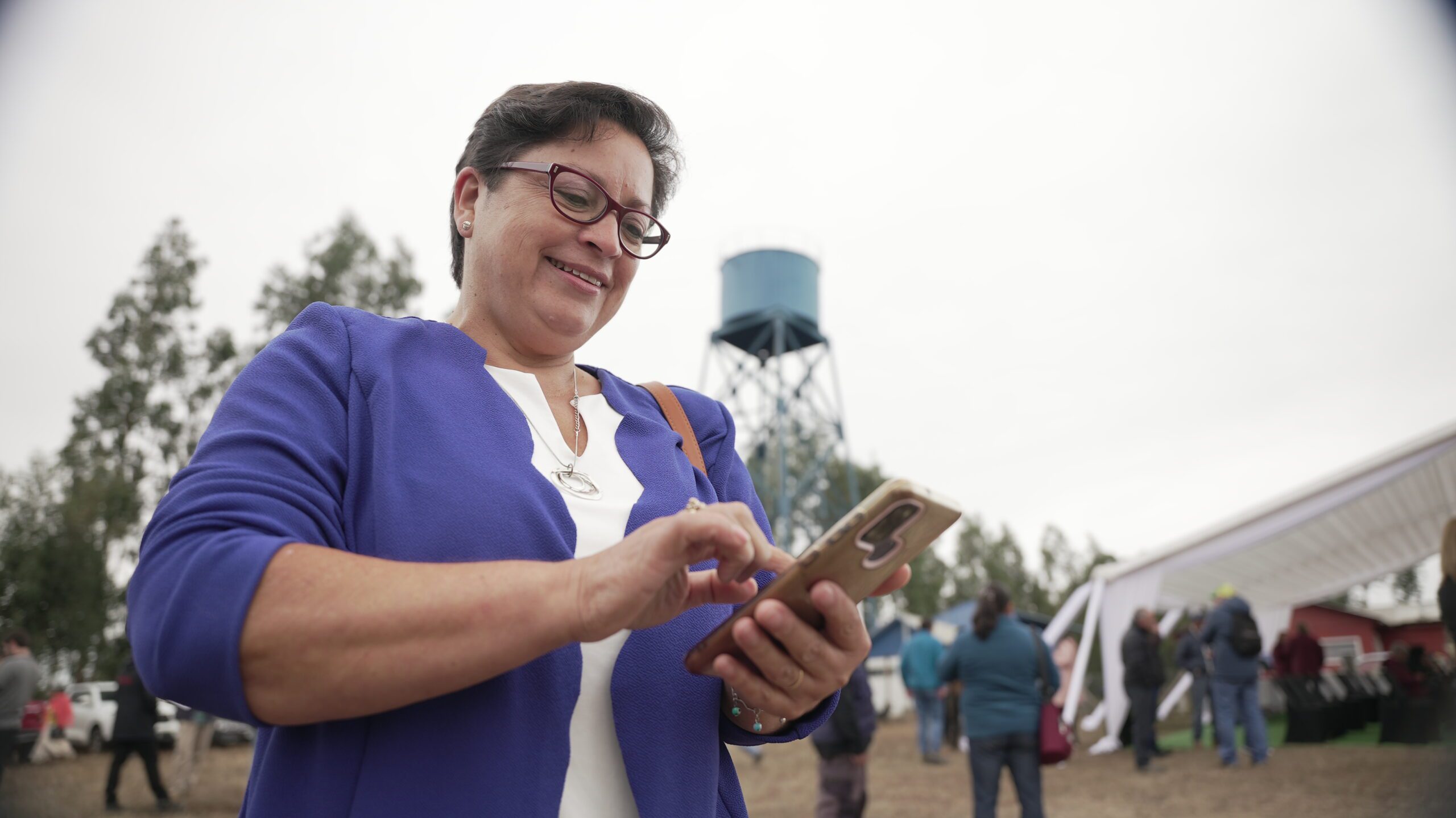
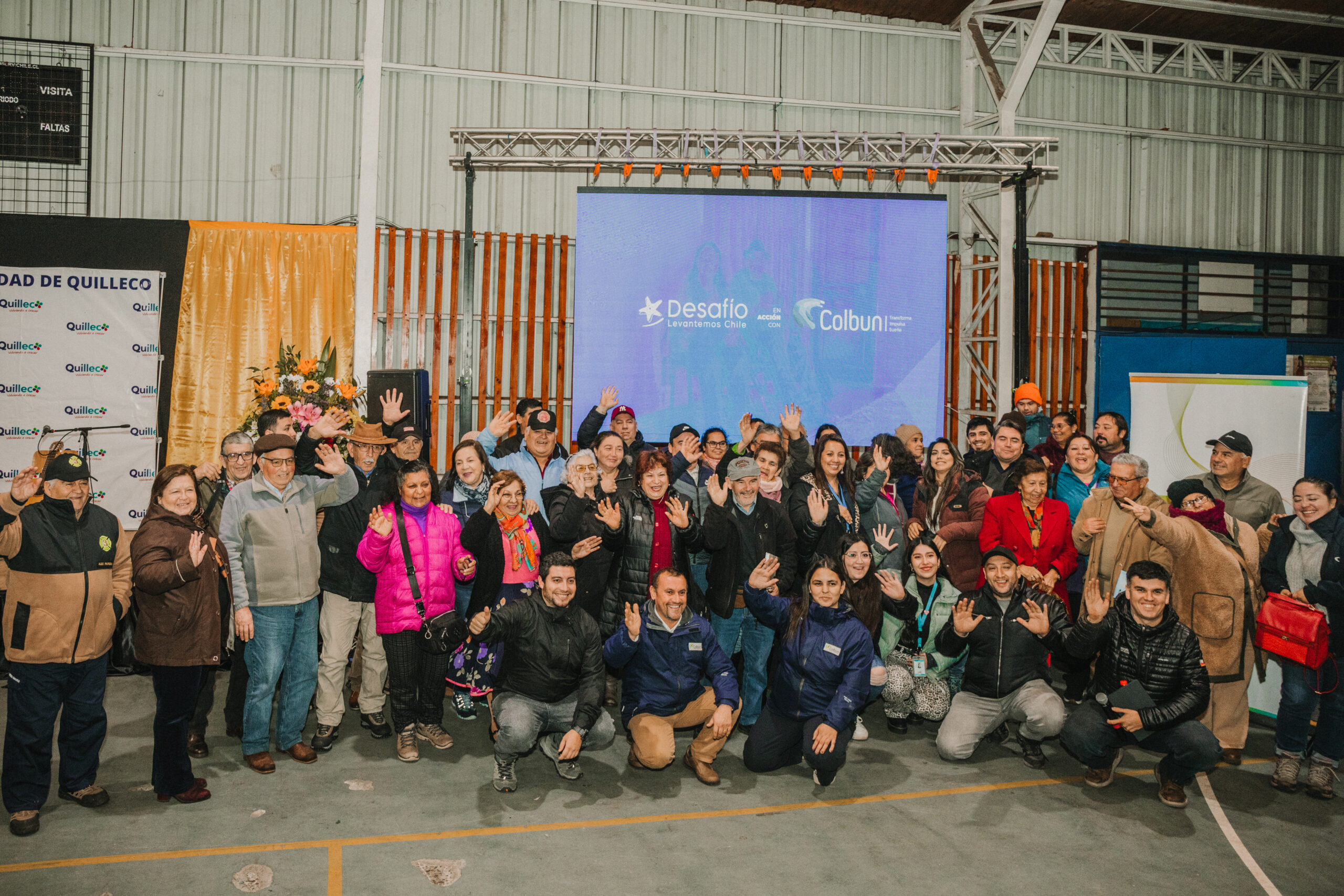
The Desafío Agua para Chile program of Fundación Desafío Levantemos Chile has transformed the reality of vulnerable rural communities through an agile model that reduces government execution timelines to just 6 months per solution. To date, the project has successfully implemented 100 local infrastructure systems (including deep wells and water catchment systems) that directly benefit 20,000 people with permanent, safe access to drinking water, eliminating their chronic dependence on water tanker trucks.
The impact is not only social, but also economic and sustainable — it has enabled the revival of small-scale family farming that had been paralyzed by drought, while also ensuring that 100% of projects remain self-managed over the long term, thanks to the technical and financial training provided to local water committees.
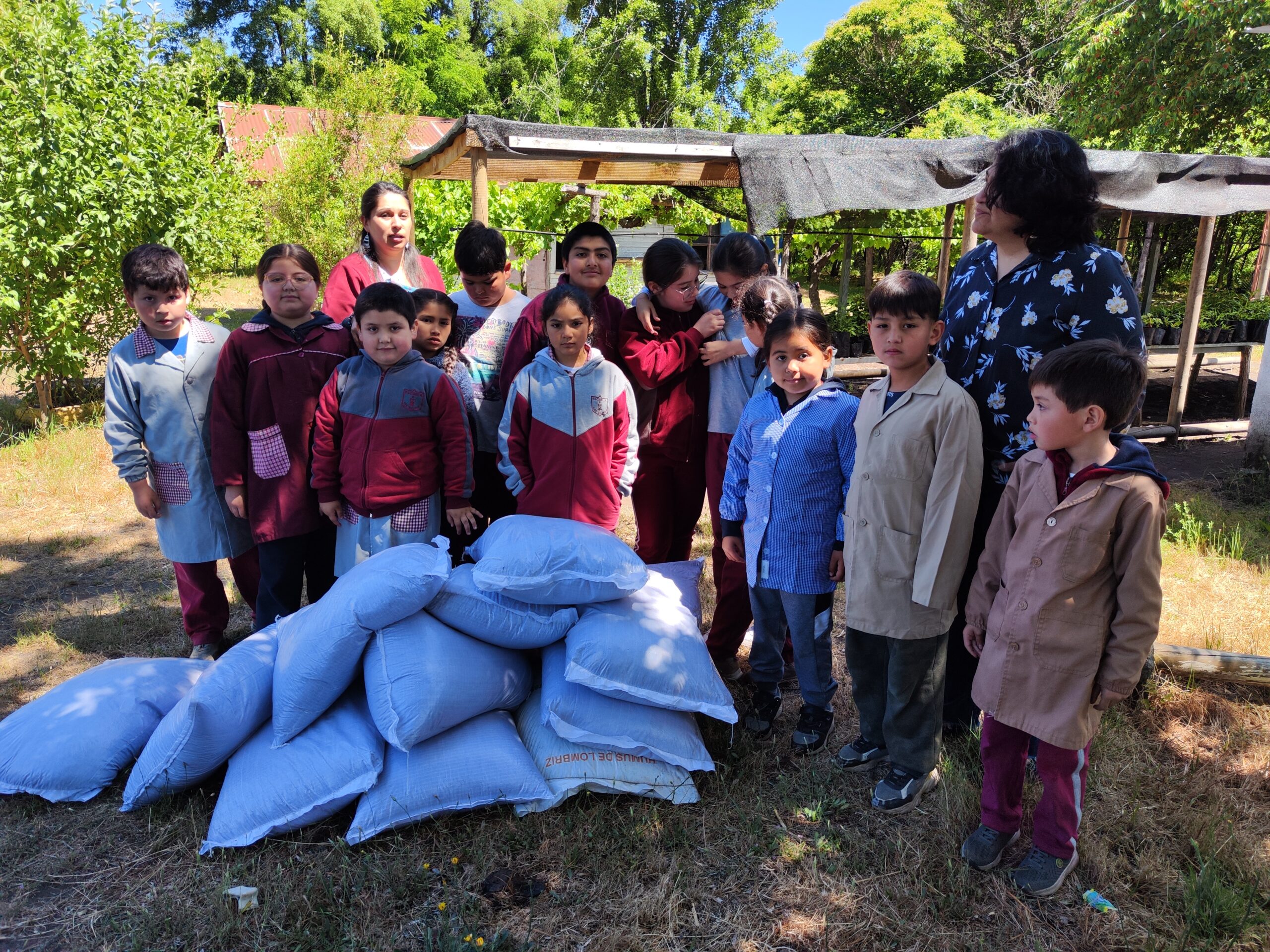
La Mano Verde
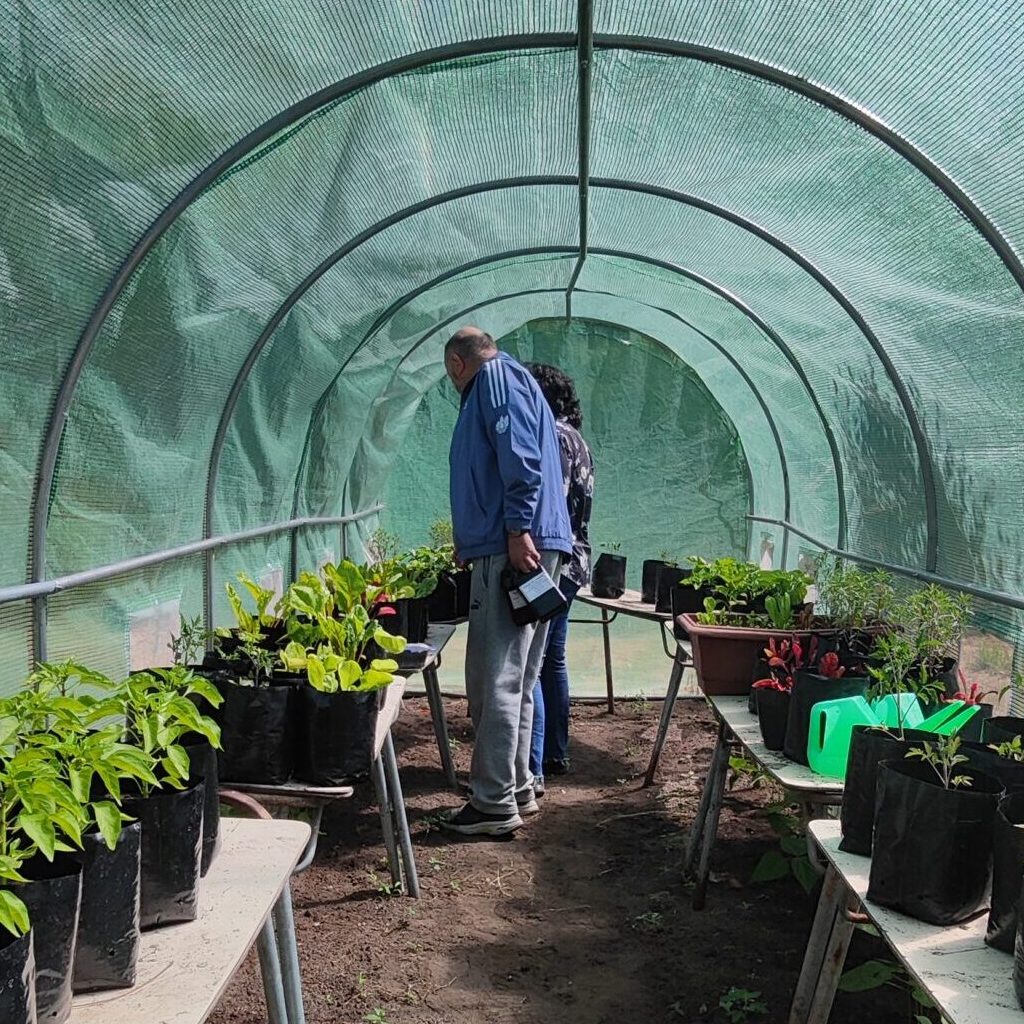
Mano Verde is an environmental education project carried out in public schools in southern Chile, working directly with educational institutions, principals, and teachers. It promotes ecological awareness through workshops, school gardens, and participatory activities, strengthening the connection with the environment and shaping students as agents of change for sustainable communities.
Communities where we have impacted
In collaboration with